Republic Wireless
Checkout experience redesign
Summary
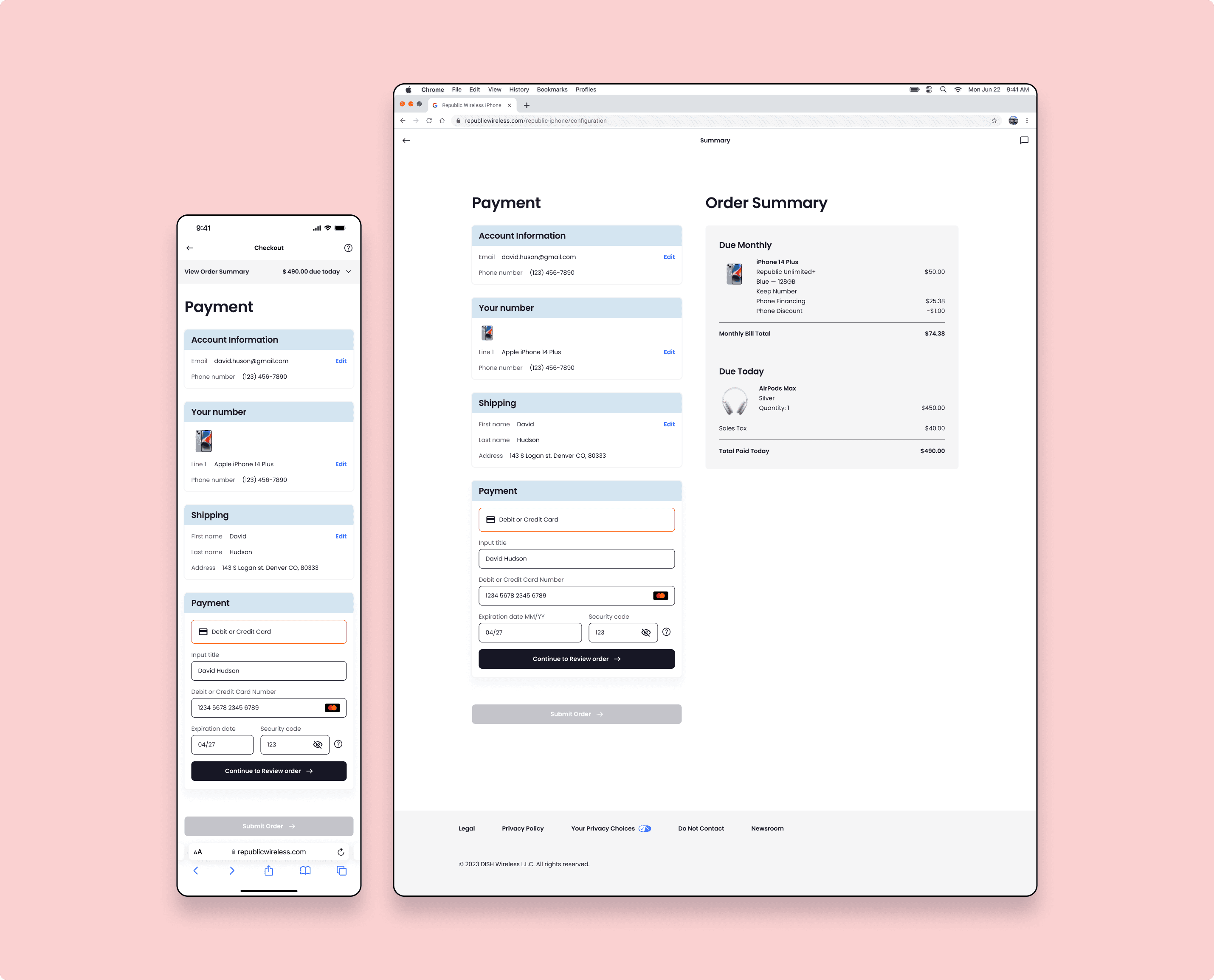
How we turned the technical need to update the checkout solution into an opportunity to also improve the experience and generate a 21% improvement on the conversion rate.
Context
Based on Salesforce Commerce Cloud, Republic Wireless’s legacy checkout was dated and needed updates that would break all the customizations made in the past. This also represented an opportunity to improve an experience that had bugs, was slow, full of unnecessary steps, and confusing. As according to Scandiweb, on average, 75.8% of customers abandon their carts due to one or more of these issues, so the potential was not only to be able to have the latest version running but also improve our conversion and reduce cart abandonment.
Competitive Analysis
Before designing anything we started looking at competitors and capturing the flows for checkout. Knowing that the checkout process is something common across all e-commerce sites, we didn't want to reinvent the wheel. But if their was a flow that seemed to be much more successful over others, we had the ability to pivot and switch to that flow. So we started by taking a look at the landscape. We looked at over 10+ e-commerce websites, and noticed two recurring design patterns: Accordion and 2-Step Checkout.
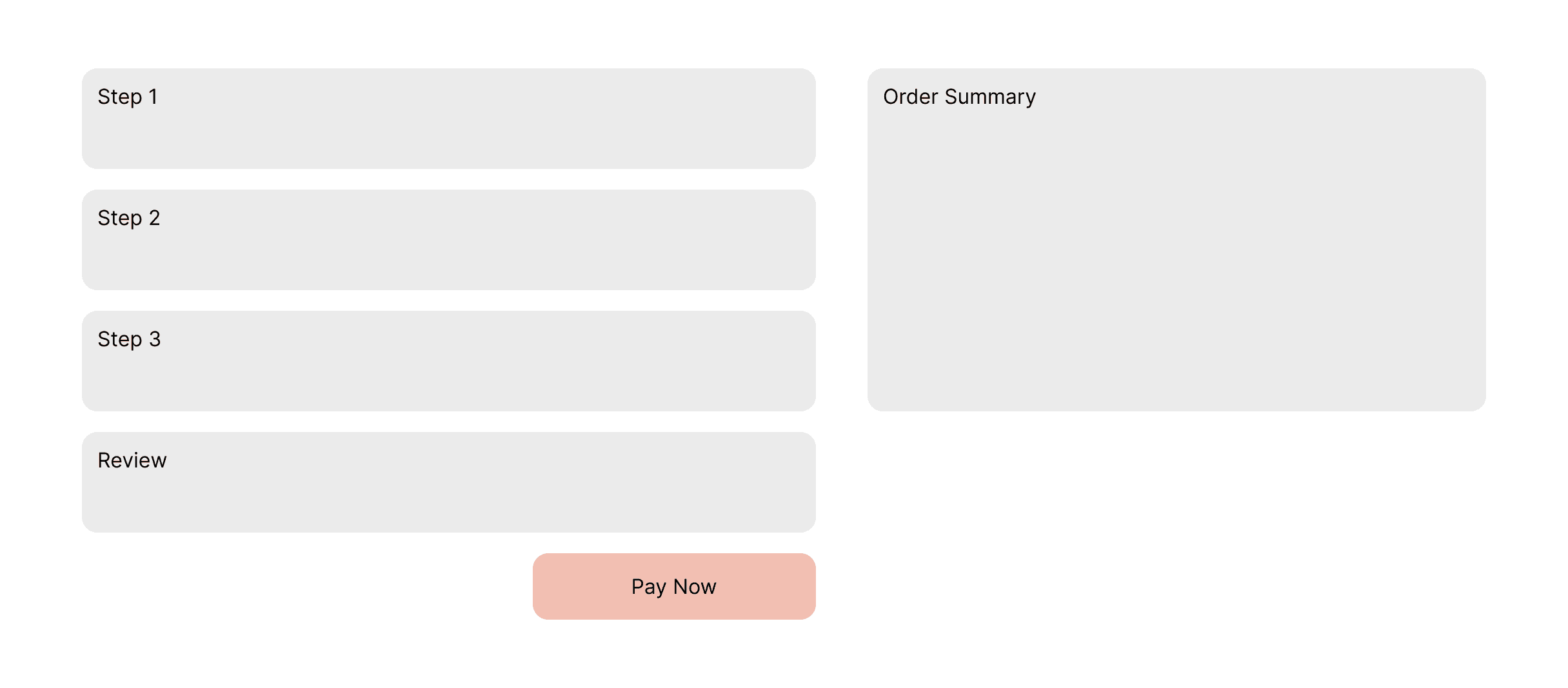
Accordion-type Checkouts
Accordion is the type of checkout that has all the steps in one page with each of them expanding as the user fills the previous one. The advantages are that Accordion-type checkouts are compact, you can have same-page edits (no need for browsing back) and it’s the closest to the Salesforce Commerce Cloud out of the box solution. Some of the brands using it that we deeply analyzed are AT&T, T-Mobile, Nike & Adidas.
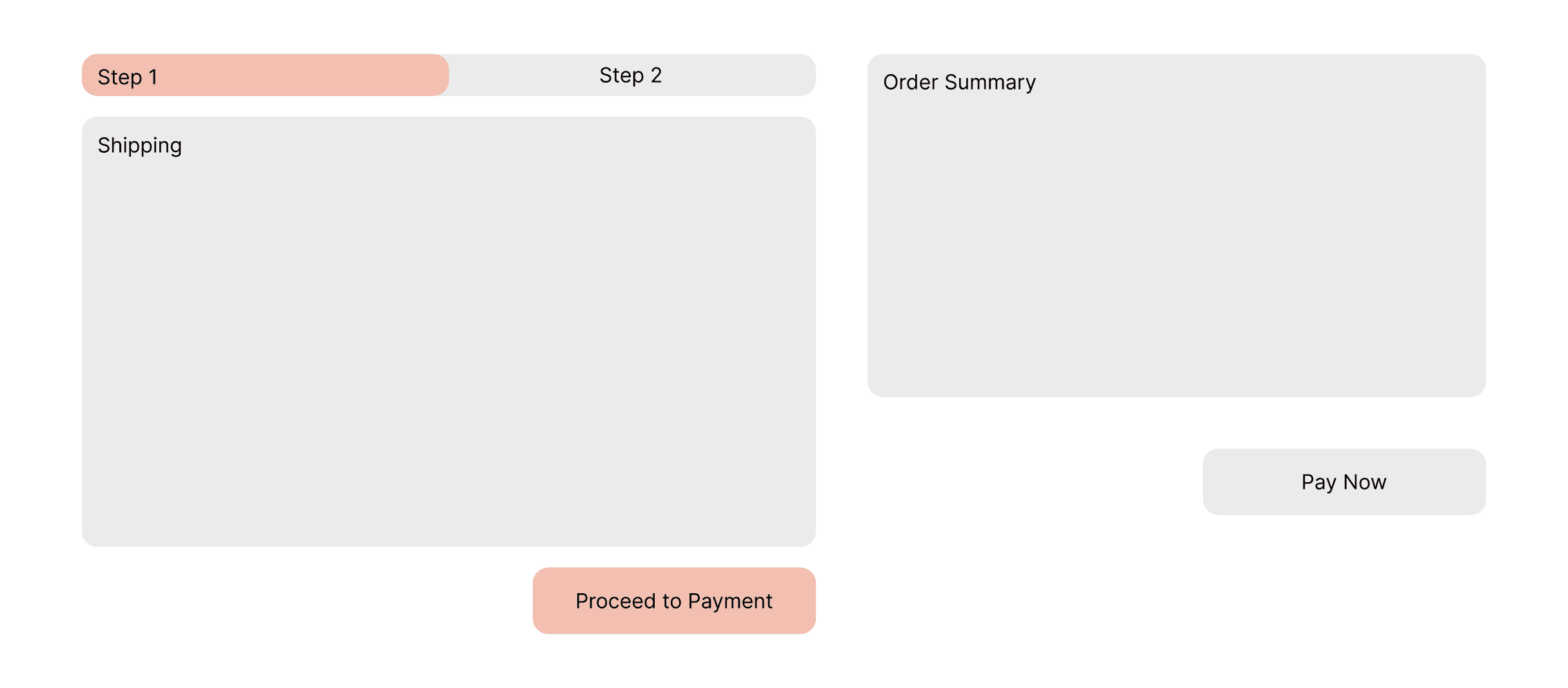
Two-step Checkouts
This type of checkout divides the flow into two separate screens. While that visually helps customers understand where they are in the checkout process using a progress bar, it does present some challenges. For instance, if the user wants to review or edit entered information, they have to return to the previous page, causing extra loading times and data loss. Also, the form can be perceived as complicated and longer for some users. For our case, this type of checkout was further away from the out of the box solution from Salesforce Commerce Cloud. Brands like Verizon, Cricket Wireless, and Vans- all using Shopify- were using this type of checkout.
Baymard Institue's Insights
According to Baymard Institute, an often reference for the team I was on, while there was no statistical data on the most popular and best-performing checkouts yet, there was an observed trend towards accordion checkouts. Some of their findings we considered:
The % of accordion style checkout usage grew from 14% in 2012, to 32% in 2016.
While accordion checkout often is an aesthetically pleasing option, our past 9 years of large-scale checkout testing have not found that accordion-style checkouts consistently perform better than either traditional multi-page checkouts or one-step checkout.
What we observe to be much more important to checkout UX performance is what users are asked to do during the checkout flow, and how they are asked to do it.
75% of accordion checkout flows have major usability issues as they fail at one or both of two pitfalls:
•Deprive users of an ongoing review
•Break user back-button expectations
Design Process
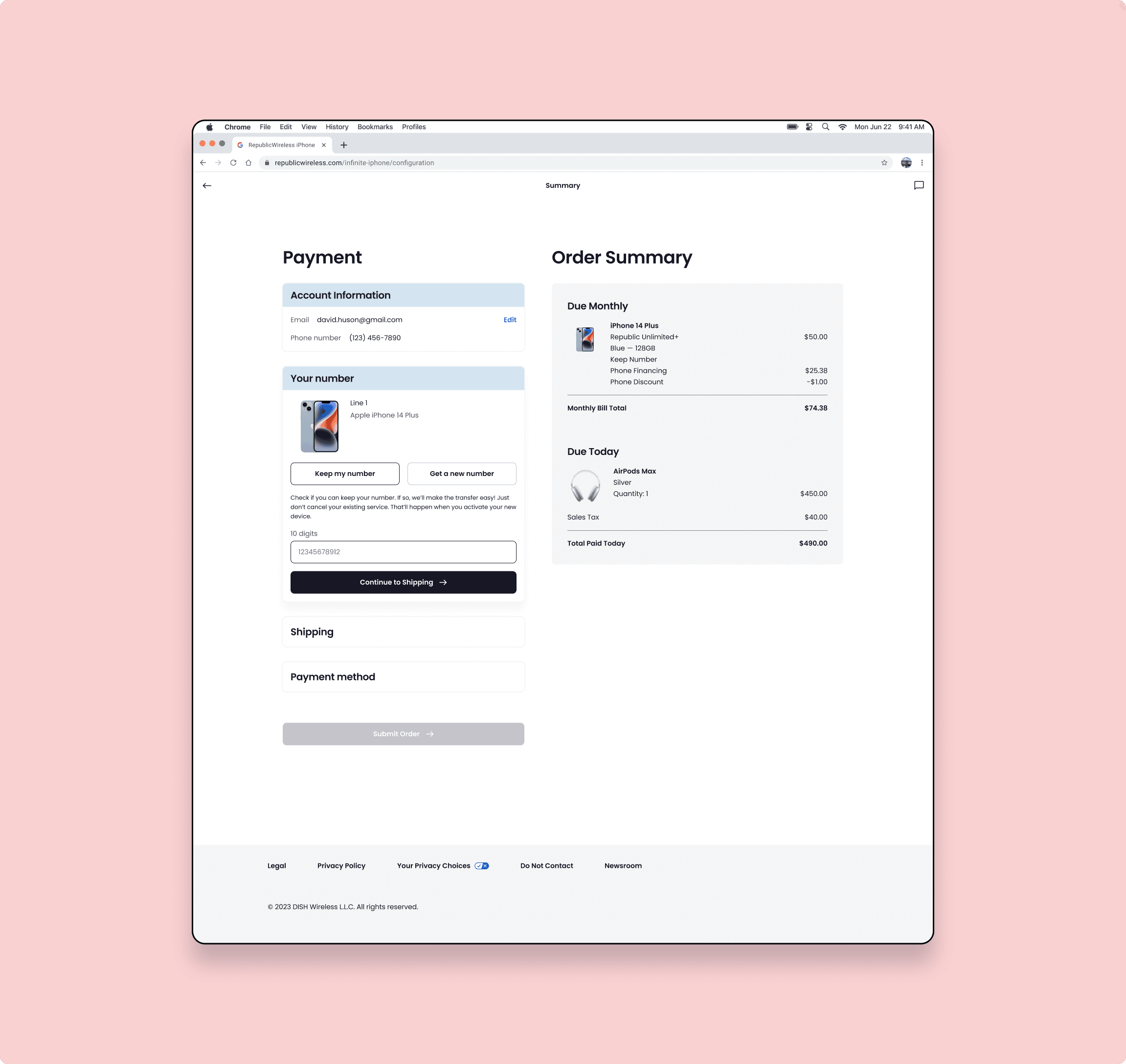
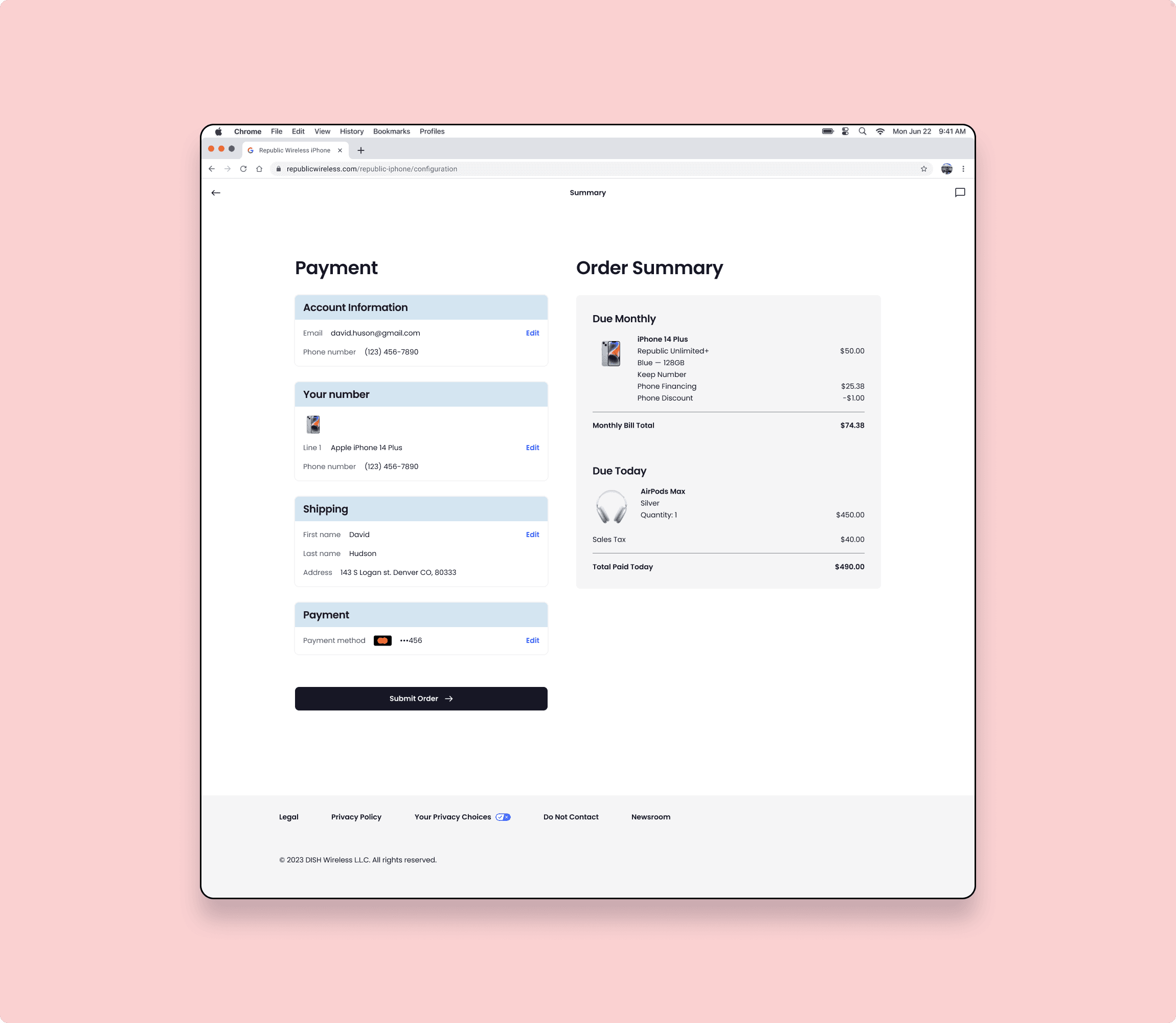
Although there was not evidence that one checkout was better than the other, we decided to opt for the accordion type of checkout given the observed trend of more E-commerce brands using this design style. It also made sense considering the out of the box solution from Sales Force was set up for an accordion style checkout.
Conclusion
As a team we learned a lot on how to work together cross functionally towards a common goal, offering each other constructive feedback and iterating a lot rather than designing too much before passing over to developers.
Results
We observed an improved conversion rate of 21% comparing the same period year over year. Considering 2021’s traffic and average order value, this could be translated to an early positive impact of over $340k in yearly revenue.
Conversion rate
21%
Estimated revenue
